10 Best Brand Packaging Examples You Need to See?
In the competitive world of consumer goods, brand packaging serves as a crucial first impression. According to design expert Michael Bierut, "Good packaging is a silent salesman." This highlights how effectively designed packaging captures consumer attention and influences buying decisions.
Examining the best examples of brand packaging sheds light on creativity and strategy. Brands like Coca-Cola and Apple exemplify how distinctive packaging can enhance brand identity. Their designs connect emotionally with consumers, creating memorable experiences. Yet, not all packaging succeeds. Companies often overlook aspects like sustainability. This can lead consumers to question their commitment to the environment.
Brand packaging should reflect a brand’s values and mission. It's more than just aesthetics; it requires thoughtful consideration of materials and messaging. Brands face a challenge to balance eye-catching designs with meaningful stories. Learning from both successes and failures in brand packaging is essential for any company aiming to leave a lasting impression.

Introduction to Brand Packaging
Brand packaging is a crucial aspect of marketing. It affects how consumers perceive a product. A well-designed package can elevate a brand and attract customers. According to a study by Nielsen, 64% of consumers stated that packaging influences their purchasing decision. This highlights the importance of effective brand packaging.
To create impactful packaging, focus on visual elements. Colors, fonts, and graphics matter. Choose colors that resonate with your target audience. For example, studies show that blue can evoke trust, while red can create excitement. Ensure your design is clean and not cluttered. Overly complex designs can confuse potential buyers.
Tip: Always test your packaging design with a focus group. Gather feedback on aesthetics and functionality. This can uncover areas for improvement. Remember, even minor adjustments can enhance consumer appeal. Packaging is often the first interaction a customer has with your product.
Lastly, stay mindful of sustainability. Many consumers prefer eco-friendly packaging. Research shows that 73% of millennials are willing to pay more for sustainable products. Packaging that is recyclable or biodegradable can make a positive impression. Reflect on how your packaging choices align with current consumer values.
10 Best Brand Packaging Examples You Need to See
| Packaging Type |
Material |
Color Scheme |
Design Elements |
Sustainability |
| Bottle |
Glass |
Green and White |
Minimalistic Design |
100% Recyclable |
| Box |
Cardboard |
Black and Gold |
Elegant Typography |
Biodegradable |
| Pouch |
Flexible Plastic |
Vibrant Colors |
Bold Graphics |
Partially Recyclable |
| Jar |
Glass |
Clear with White Lid |
Vintage Illustration |
Reusable |
| Tin |
Metal |
Earthy Tones |
Rustic Design |
Recyclable |
Criteria for Effective Brand Packaging
Effective brand packaging plays a crucial role in attracting customers. It should create an immediate connection with the target audience. Eye-catching designs, colors, and textures can draw attention. However, clarity is just as important. Customers should understand the product’s purpose at a glance. Overly complex designs can confuse them and divert their attention.
Sustainability is another criterion to consider. Eco-friendly materials resonate with modern consumers. This choice may enhance brand loyalty and promote a positive image. But, not all brands fully commit to sustainable practices. Some use it as a marketing tactic without genuine effort. Authenticity matters in this regard, and consumers can easily spot insincerity.
Lastly, functionality should not be overlooked. Great packaging must protect the product efficiently. It should also be easy to open and handle. This functional aspect affects the overall user experience. Sometimes, brands focus too much on aesthetics and neglect practicality. Balancing beauty and utility is a constant challenge in packaging design.
Top 10 Notable Brand Packaging Examples
Brand packaging serves as the first point of contact between products and consumers. A well-designed package can make a lasting impression. According to recent studies, 72% of consumers say that packaging design influences their purchasing decisions. Clever packaging differentiates products in a crowded market. Sustainable materials are gaining traction; 59% of consumers prefer eco-friendly packaging. This shows the growing importance of sustainability in brand image.
When considering packaging design, aim for clarity and creativity. Brand messaging should be clear at a glance. Ensure colors and typography reflect your brand’s personality. Consider testing package designs on a focus group. Feedback can highlight strengths and weaknesses. A fresh perspective can uncover design flaws you might overlook.
Remember, packaging is not just a covering. It's an integral part of the overall product experience. Reflect on how your packaging adds value. Does it enhance usability? Does it create joy? These questions can lead to innovative ideas. Always strive for improvement. Perfect is not always attainable, but continuous effort is vital.
Analysis of Design Elements in Packaging
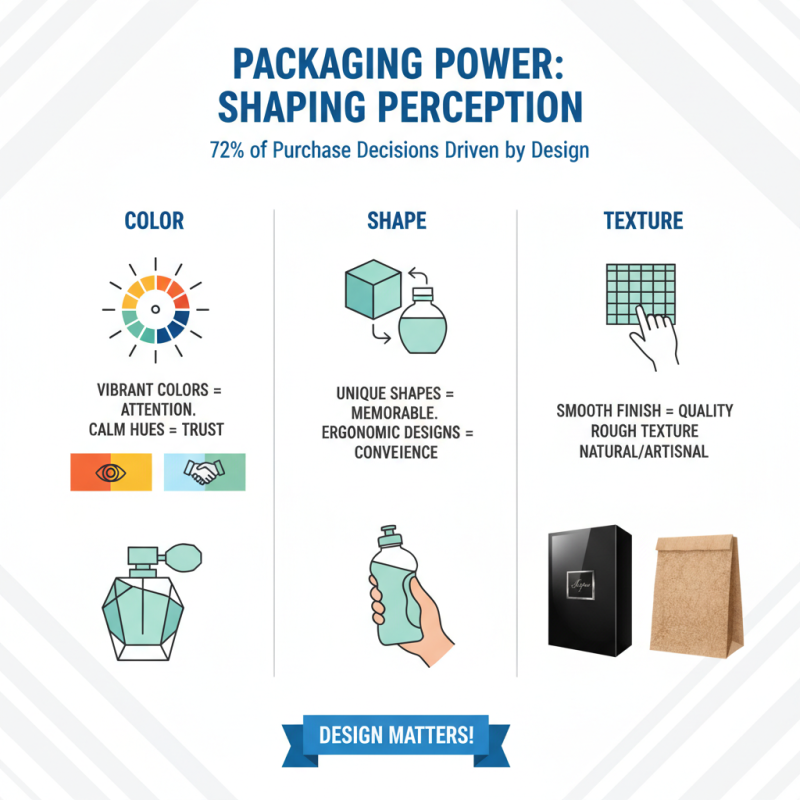
In today’s competitive market, packaging plays a crucial role in consumer perception. Research indicates that 72% of consumers make purchasing decisions based on packaging design alone. The color, shape, and texture of packaging can significantly impact feelings toward a product. Vibrant colors can attract attention, while calm hues may evoke trust and reliability.
Analyzing successful packaging, we often see the importance of simplicity. Packaging designs that are clean and straightforward tend to stand out. For example, studies show that minimalistic designs can increase purchase intent by up to 20%. However, not all simple designs succeed. If a design lacks clarity or fails to convey essential information, it can confuse customers instead of enticing them.
Innovative structural design can also enhance user experience. For instance, easy-to-open packaging can significantly improve satisfaction. According to a recent report, 60% of consumers reported frustration with overly complicated packaging. This reflects the need for a balance between aesthetics and functionality. Unfinished ideas can become barriers, highlighting the importance of ongoing design evaluation and consumer feedback.
Impact of Packaging on Consumer Purchase Decisions
Packaging design plays a crucial role in influencing consumer purchase decisions. Eye-catching visuals can attract potential buyers instantly. Unique shapes or materials can spark curiosity. Consumers often associate attractive packaging with quality.
Effective packaging tells a story. It communicates the brand's values and product’s purpose. Think about colors, symbols, and typography. These elements evoke emotions, shaping perceptions and choices. A well-crafted package can create a lasting impression.
Tips: Focus on simplicity. When a package tells too much, it may confuse consumers. Use bold colors to stand out. Don’t underestimate the power of texture. A tactile experience can enhance desirability. It’s important to stay true to your brand identity while innovating.
Keep in mind, what works for one product might not suit another. Experimentation is key. Consider gathering feedback to refine your designs.








 English
 Polski
  Čeština