Best Cases Packaging Solutions for China Sourcing Needs?
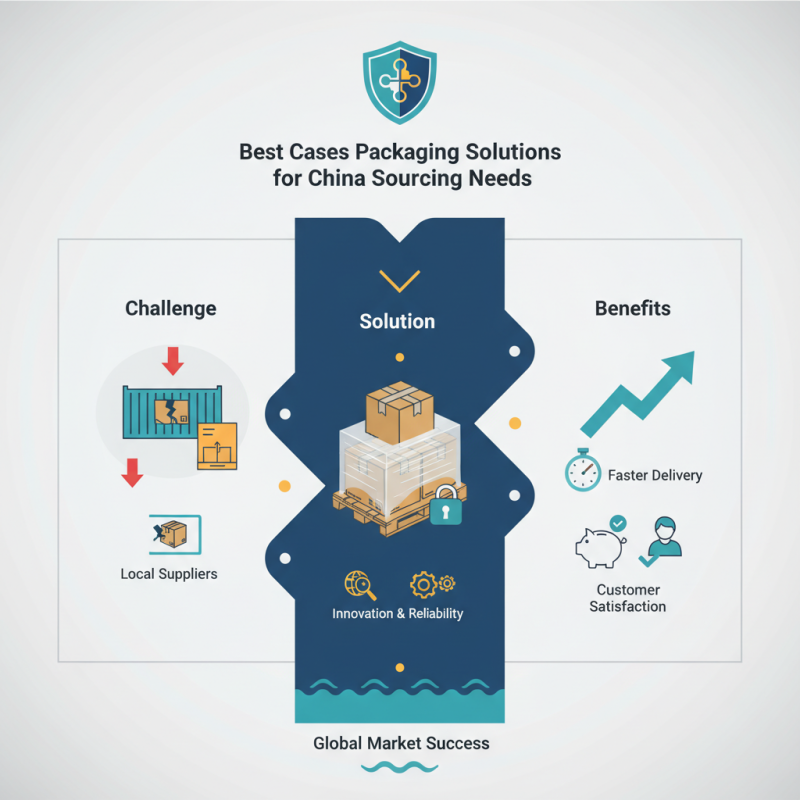
In today's global market, effective sourcing from China requires careful consideration of cases packaging solutions. These solutions play a vital role in protecting products during transit. Reliable packaging can minimize damage and reduce costs. This is crucial for businesses aiming for efficiency and customer satisfaction.
When sourcing from China, packaging should not be an afterthought. Selecting the right cases packaging ensures product integrity. It directly affects delivery times and overall logistics. Many companies overlook the importance of durable packaging, leading to potential losses. It is essential to prioritize quality over cost alone.
Engaging with local suppliers can yield better cases packaging options. They understand regulatory requirements and can provide insights into best practices. Finding the right balance between innovation and reliability is key. Companies may need to reflect on their current packaging strategies for improvement. Efficient, safe packaging creates a stronger foundation for success in the competitive global market.
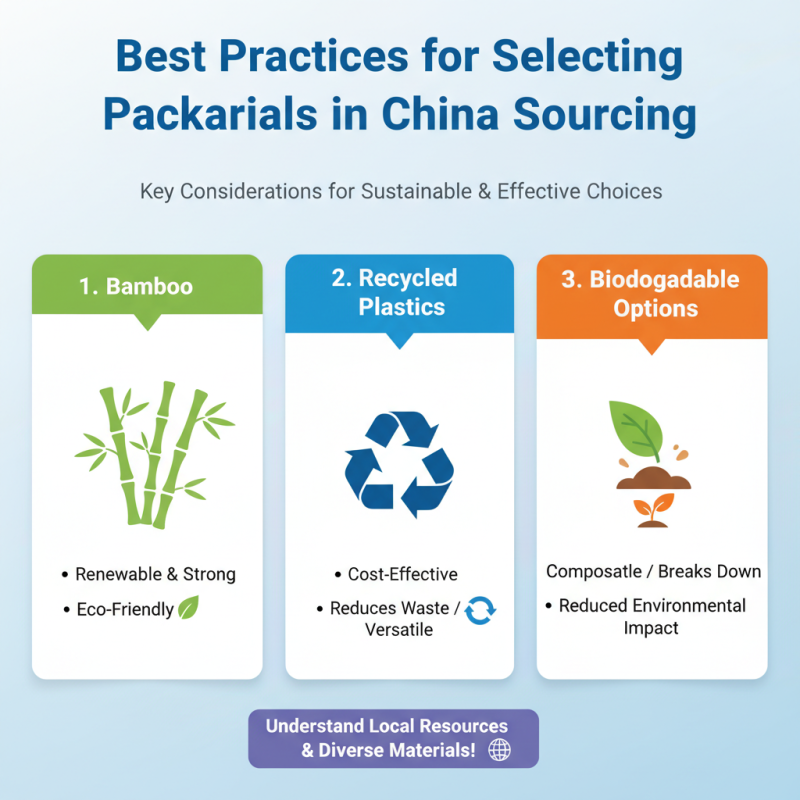
Best Practices for Selecting Packaging Materials in China Sourcing
When sourcing packaging materials in China, understanding local resources is crucial. The diversity of materials can be overwhelming. Bamboo, recycled plastics, and biodegradable options are popular. Each has unique benefits and challenges.
It's essential to consider product compatibility with chosen materials. A mismatch may lead to damage during shipping. Testing prototypes can help identify these issues early. Additionally, environmental regulations in China are evolving. Companies must stay informed to ensure compliance.
Quality assurance is another vital aspect. Establish clear standards and conduct regular inspections. Engaging with suppliers for transparency can save future headaches. Building relationships fosters better communication and trust. Reflect on these practices regularly, as the market can change rapidly.
Key Trends in the Chinese Packaging Industry: Data and Insights
The Chinese packaging industry is evolving rapidly, influenced by consumer trends and environmental concerns. Recent reports indicate that the market is projected to surpass USD 400 billion by 2025. This growth is partly driven by rising demand for sustainable packaging solutions. More consumers prefer brands that use eco-friendly materials. This has led to significant investments in biodegradable options and innovations in recycling technology.
It's important to note that the competitive landscape is intensifying. Companies are focusing on enhancing efficiency and reducing costs. However, many firms still lag in adopting new technologies. For example, over 30% of manufacturers in China still use traditional packaging methods, which can be less sustainable. Embracing automation and advanced materials is critical for keeping pace with global trends.
Consumer preferences also shift towards personalized packaging experiences. Reports show a 20% increase in demand for customized designs. Yet, achieving this personalization at scale poses challenges. Many companies are trying to balance customization with production efficiency. This tension may slow down the adoption of best practices across the industry. As businesses navigate these complexities, insightful strategies are essential for sustainable growth.
Sustainability in Packaging: Meeting China’s Environmental Regulations
In recent years, sustainability has become a key focus in packaging.
China's environmental regulations have set high standards for materials and practices.
Businesses seeking packaging solutions must adapt to these guidelines. It's not just about compliance;
it's about commitment to a greener future.
Using eco-friendly materials is essential.
Recycled and biodegradable options are gaining popularity. However, many companies struggle to find reliable suppliers.
Consistency in quality is crucial. If products fail to meet expected standards, reputations suffer.
This creates a cycle of distrust between suppliers and clients. Therefore, vetting potential partners is critical.
Moreover, companies must embrace innovative designs that minimize waste.
Focusing on functionality helps reduce excess material.
Yet, some businesses still cling to traditional methods. This resistance can impede progress.
Embracing change is not easy, but it's necessary to thrive in today's market.
Every step toward sustainability counts. Making informed choices can lead to lasting benefits.
Cost-Effective Packaging Solutions: Balancing Quality and Budget
Finding the right packaging solutions for sourcing in China can be challenging. You want quality but also need to keep costs reasonable. Striking this balance is crucial for any business. Poor packaging can damage products and affect customer satisfaction. Therefore, investing in the right packaging is essential.
When selecting packaging, consider materials that offer durability without breaking the bank. Flexible packaging options can save costs while protecting products. For instance, using recycled materials not only reduces expenses but also enhances your brand's image. Eco-friendly packaging is becoming more important to consumers, so it's worth considering.
Tips: Test different packaging. Evaluate their performance in real-world scenarios. Seek feedback from your clients about their experience receiving your products. Remember, finding a cost-effective solution may require trial and error. Don’t hesitate to adjust your approach if necessary.
Best Cases Packaging Solutions for China Sourcing Needs
| Solution Type |
Material |
Cost per Unit (USD) |
Lead Time (Days) |
Sustainability Rating |
| Die-Cut Boxes |
Corrugated Cardboard |
0.50 |
14 |
A |
| Rigid Boxes |
Paperboard |
1.20 |
21 |
B |
| Shrink Wrap |
Polyethylene |
0.10 |
7 |
C |
| Foam Inserts |
Polyurethane Foam |
0.75 |
10 |
B |
| Custom Molds |
Plastic |
2.00 |
30 |
D |
Technological Innovations in Packaging: Enhancing Efficiency in Sourcing
Technological innovations in packaging are transforming how businesses source products from China. Automation, for example, has increased efficiency in production lines. It reduces human error while boosting output. Advanced machinery now streamlines the packaging process, creating more consistent results. However, with these changes, companies need to adapt their sourcing strategies carefully.
Sourcing partners must leverage new technologies to stay competitive. Smart packaging solutions enhance visibility in logistics. These innovations provide real-time tracking, which keeps stakeholders informed. Yet, transitioning to high-tech systems can pose challenges. Teams must be trained appropriately to handle new tools and processes. Resistance to change may hinder progress.
Environmental considerations are also becoming crucial. Many suppliers are turning to biodegradable materials. This shift reflects a growing commitment to sustainability. Still, not all solutions are perfect. Balancing cost and eco-friendly materials requires thoughtful analysis. As technology advances, companies must remain flexible and willing to reassess their packaging strategies regularly.
Technological Innovations in Packaging: Enhancing Efficiency in Sourcing








 English
 Polski
  Čeština