What is Brown Paper and Its Uses in Global Trade?
Brown Paper is a crucial material in global trade, often overlooked yet impactful. Experts like Dr. Emily Carter, a leading authority in packaging solutions, emphasize its significance: "The adaptability of Brown Paper influences economic performance across various industries." This statement underscores the pivotal role of Brown Paper in packaging and shipping.
In many sectors, Brown Paper serves multiple functions. It protects goods during transport, reduces waste, and offers a cost-effective solution. The renewable nature of the material is appealing to businesses aiming for sustainability. However, the industry faces challenges in meeting increasing demand while ensuring quality standards.
Many companies struggle to balance efficient production with the environmental impacts of their processes. This complexity highlights the need for continuous innovation in the Brown Paper industry. Exploring these nuances reveals the significant but often underestimated role of Brown Paper in facilitating global commerce. It prompts us to evaluate how we can enhance its uses and minimize its drawbacks.
What is Brown Paper: Definition and Composition
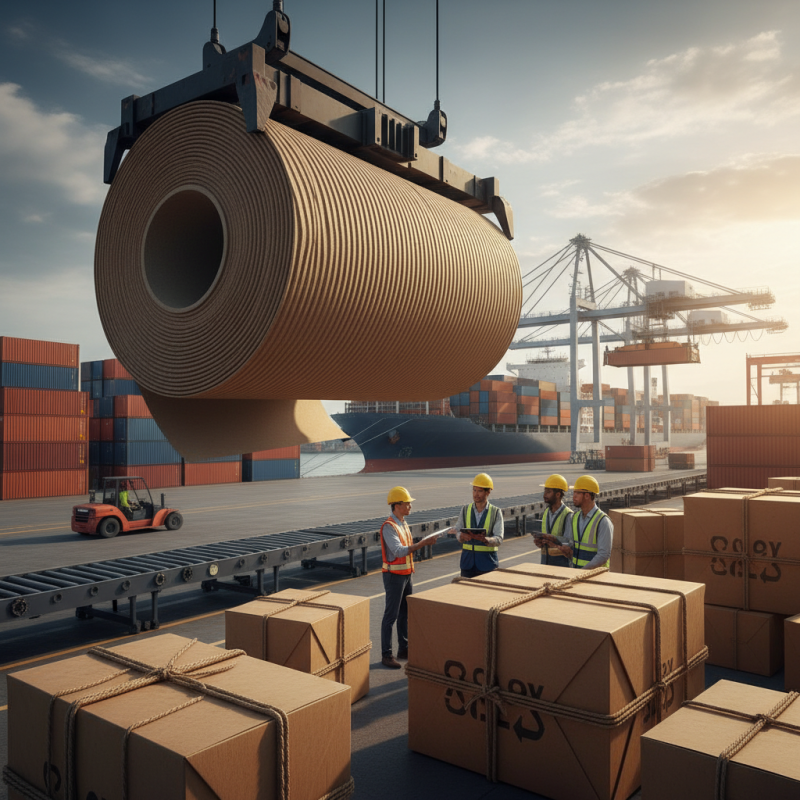
Brown paper is a versatile material with numerous uses in global trade. Defined as a coarse, unbleached paper, it is primarily made from wood pulp. The composition of brown paper contributes to its durability and strength. This paper type has a higher fiber content than standard paper, which enhances its ability to resist tearing and folding.
In the packaging industry, brown paper is widely used for wrapping goods. According to market research, the global brown paper market is expected to grow by 4.5% annually through 2027. This growth is driven by increasing demands for eco-friendly packaging solutions. For example, brown paper is often used for shipping parcels and as a protective layer for fragile items. Its biodegradable nature makes it an appealing alternative to plastic.
Despite its benefits, there can be challenges in sourcing brown paper. The production process may have environmental impacts, such as deforestation. Sustainable practices are essential to mitigate such effects. Procuring responsibly sourced wood pulp is crucial in addressing these sustainability concerns. Stakeholders must stay informed about the sourcing practices to ensure the reliability of brown paper as a sustainable resource.
Historical Development of Brown Paper in Global Trade
The history of brown paper is fascinating and reveals its crucial role in global trade. Emerging in the 19th century, brown paper became the go-to material for packaging. Its durability and low production cost made it popular among merchants and manufacturers. Before the industrial age, fibers from recycled materials were often used. This recycling aspect lent brown paper a sustainable edge that was ahead of its time.
As global trade expanded, brown paper facilitated the transport of goods. It offered protection for fragile items during shipping. The lightweight nature of brown paper meant that traders could save on shipping costs. However, some may overlook its importance, assuming modern materials are superior. Considering the environmental impact today, brown paper's sustainability should be celebrated.
Tips: When using brown paper today, remember its versatility. It can be easily customized for branding. Think about using it creatively for packaging—this adds a personal touch while being eco-friendly. Also, consider reducing waste by reusing old brown paper whenever possible. Reflecting on its historical significance can inspire innovative uses in contemporary trade.
Global Trade Uses of Brown Paper
Key Applications of Brown Paper in Packaging and Shipping
Brown paper is a versatile material widely used in global trade. Its applications in packaging and shipping are critical for various industries. Many companies rely on brown paper for wrapping products. It provides a sturdy barrier against moisture and dust, ensuring items remain secure during transit.
Additionally, brown paper is eco-friendly. It is often recyclable and biodegradable, making it an excellent choice for sustainable practices. Businesses are increasingly looking for materials that minimize environmental impact. Using brown paper supports these efforts. However, some may overlook its aesthetic limitations. While functional, brown paper can appear plain and uninviting.
In shipping, brown paper can be adapted for multiple uses. It works well for filling voids in boxes. Companies can roll it into balls or use it as cushioning. This reduces the need for plastic fillers, which are harmful to the environment. Yet, it’s important to reflect on the balance between functionality and appearance. Packaging design is crucial for customer satisfaction. Brown paper may lack the visual appeal of other materials.
Market Trends: Global Consumption of Brown Paper
The global consumption of brown paper is on the rise. According to a recent report by Smithers Pira, the demand for brown paper is projected to grow by 3.5% per year through 2025. This increase is largely driven by the packaging sector. Sustainable practices are influencing manufacturers to use more recycled material.
In 2022, brown paper consumption reached approximately 10 million metric tons worldwide. As more companies adopt eco-friendly packaging, brown paper’s appeal continues to grow. However, there are challenges. Many producers face rising raw material costs. The market's shift to sustainable products sometimes leads to increased pricing volatility.
Moreover, not every region is adapting at the same pace. Asia-Pacific is leading in brown paper consumption, driven by growing economies. Contrastingly, North America is experiencing slower growth rates. This disparity highlights the uneven global response to sustainability trends. It raises questions about the long-term viability of brown paper in some markets.
Environmental Impact and Sustainability of Brown Paper Production
Brown paper, often made from recycled fibers, plays a significant role in global trade. The environmental impact of its production raises important questions. According to a report by the World Wildlife Fund, producing virgin paper generates about 2.5 times more greenhouse gases than recycling. This data emphasizes the benefits of using recycled materials in brown paper production.
While brown paper packaging is biodegradable, it’s essential to consider resource usage. The production process still requires energy and water, which can strain local ecosystems. Furthermore, the extraction of lignin from trees can lead to deforestation if not managed sustainably. A 2022 study highlighted that sustainable forestry practices can significantly lessen this environmental footprint.
Tips: Opt for brands that employ eco-friendly practices in their brown paper production. Look for certifications that verify the sustainability claims, like FSC and PEFC. Support companies that prioritize recycling and use post-consumer materials in their products. Sustainable choices often encourage industries to adopt greener methods.


 English
 Polski
  Čeština