Why Choose Bulk Food Insulated Containers for Your Business?
In the competitive landscape of the food industry, efficiency and quality are paramount. Businesses need reliable solutions to maintain food integrity during transport. That's where Bulk Food Insulated Containers play a crucial role. According to a report by IBISWorld, the insulated container market has seen steady growth, driven by increased demand for temperature-sensitive deliveries.
These containers not only ensure food safety but also reduce waste. A study from the Food Waste Reduction Alliance notes that 30-40% of the food supply is wasted. Using Bulk Food Insulated Containers can help mitigate this issue by maintaining the optimal temperature for extended periods, minimizing spoilage.
However, selecting the right container is not without challenges. Factors such as insulation quality, durability, and cost must be carefully evaluated. The wrong choice can lead to significant losses. As businesses navigate these complexities, understanding the benefits and limitations of Bulk Food Insulated Containers becomes essential for success.
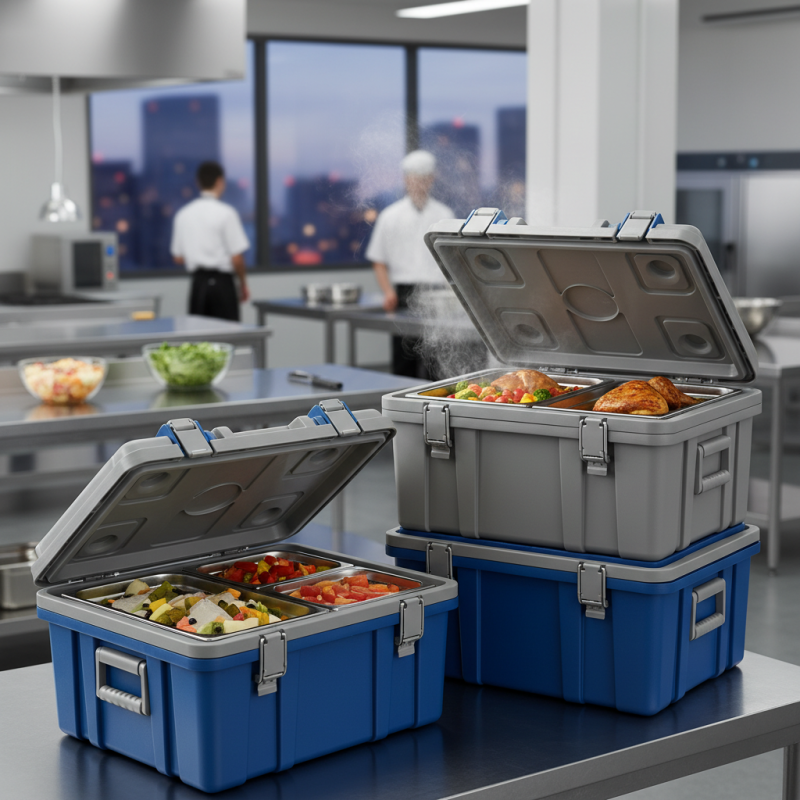
Benefits of Using Bulk Food Insulated Containers for Businesses
Bulk food insulated containers are an essential asset for businesses dealing with food service. They help maintain temperature stability, ensuring freshness and safety. According to the Food Safety and Inspection Service, maintaining proper food temperatures prevents bacterial growth. Containers that hold hot food above 140°F can decrease spoilage and improve service quality.
Businesses can also benefit from cost savings with insulated containers. A report from the Food and Drug Administration reveals that improper food handling can lead to costly foodborne illness outbreaks. By investing in quality insulated containers, businesses can maintain compliance with health guidelines, thereby reducing potential penalties and enhancing customer trust.
Tip: Always select containers with reliable insulation materials to ensure effective temperature control. Test your containers during peak business hours to assess their performance. Regular maintenance is vital too; check for wear and tear to uphold safety standards. Having backup containers is also a wise strategy for busy periods. This adaptability is crucial for maintaining service quality.
Types of Bulk Food Insulated Containers Available in the Market
When it comes to bulk food insulated containers, various options are available. These containers are essential for maintaining food temperature during transport. They come in different shapes, sizes, and materials to meet varying business needs.
One popular type is the insulated catering pan. This container is designed for transporting large quantities of food. It is typically made of heavy-duty plastic or stainless steel. The thick insulating layers help keep food hot or cold for hours. Some models even feature removable lids, ensuring easy access for catering events.
Another option is the insulated food carrier. These are often used by food delivery services and catering companies. They come in a range of sizes, from small to large, ensuring versatility. A well-constructed insulated food carrier can handle varying temperatures and reduce spillage. Observations show that not all products offer equal insulation properties. This can lead to temperature fluctuations, requiring businesses to test options thoroughly. Inconsistent experiences may lead to challenges in food quality. Each type of container has its merits, but not all may suit every enterprise's needs. Evaluating your specific requirements is essential.
Types of Bulk Food Insulated Containers Available in the Market
| Container Type | Material | Capacity (Liters) | Insulation Type | Ideal Use |
| Thermal Food Carrier | Plastic | 10 - 20 | Foam Insulation | Catering Events |
| Insulated Food Delivery Bag | Nylon | 5 - 15 | Reflective Insulation | Food Delivery |
| Stainless Steel Food Carrier | Stainless Steel | 15 - 30 | Vacuum Insulation | Restaurant Supplies |
| Cooler Box | Polyethylene | 20 - 50 | EPS Foam | Outdoor Catering |
| Bulk Insulated Storage Container | Fiberglass | 100+ | High-Density Foam | Food Manufacturing |
Key Features to Consider When Selecting Insulated Containers
When choosing bulk food insulated containers, several key features stand out. First, look for durability. A sturdy container can withstand daily use and accidental drops. Materials like stainless steel or high-quality plastic are reliable. They resist cracks and dents, ensuring longevity.
Next, consider size and capacity. Your business might handle various food quantities. A range of sizes ensures flexibility. Small containers are great for snacks, while larger ones suit meals. Think about your storage space too. Containers should fit well in your kitchen or transport vehicles without wasting room.
Another feature is insulation efficiency. Good containers maintain temperature for longer periods. This can be critical for food safety. Check insulation ratings to ensure they meet health standards.
Ease of cleaning is a factor that shouldn’t be overlooked. Smooth surfaces help prevent food buildup, making sanitation easier. Remember, these containers are investments. Choose wisely to benefit your business in the long run.
Cost-Effectiveness of Bulk Food Insulated Containers for Businesses
Bulk food insulated containers offer significant cost savings for businesses. They maintain optimal food temperatures for extended periods, reducing food waste. This means less money spent on spoiled products. By investing in these containers, businesses can serve customers fresher meals without constant restocking.
The initial investment might seem high. However, the long-term savings are substantial. Businesses can avoid over-ordering and manage inventory more efficiently. Insulated containers also streamline transportation, cutting delivery costs. A well-insulated container can replace multiple trips to restock, saving both time and fuel costs.
Quality insulated containers require minimal maintenance. This reduces overall operational expenses. Regular checks ensure reliability, but they often last for years. Some businesses may struggle with switching from traditional methods. Overcoming this hurdle can lead to more sustainable practices. Enhanced efficiency is achievable with the right approach.
Cost-Effectiveness of Bulk Food Insulated Containers for Businesses
Best Practices for Maintaining and Using Insulated Containers Efficiently
Maintaining insulated containers requires regular checks. Ensure the seals are intact. A small tear can compromise insulation. Regularly inspect the exterior for damage. Even minor dents can affect performance.
Temperature is crucial. Pre-chill or pre-heat containers before use. This practice helps maintain the desired temperature longer. Use a thermometer to monitor internal temperatures. Knowing the exact temperature can help prevent food spoilage.
Efficient cleaning methods are essential. Use non-abrasive cleaners to avoid damaging the surface. Rinse and dry immediately to prevent bacteria growth. After all, cleanliness ensures food safety. Keep a maintenance log to track the condition of your containers. Regular reflection on usage can highlight areas for improvement.


 English
 Polski
  Čeština