Top Customer Experience Packaging Strategies to Enhance Your Brand Loyalty
In today's competitive marketplace, the way a product is packaged can significantly influence brand loyalty and customer perception. According to customer experience packaging expert, Dr. Emily Cartwright, "Effective packaging is not just about aesthetics; it’s about creating a memorable experience that resonates with customers long after they've made a purchase." This insight emphasizes the importance of customer experience packaging in building lasting relationships between brands and consumers.
As brands strive to differentiate themselves, packaging has emerged as a critical touchpoint that can enhance the overall customer journey. Thoughtful design and functionality not only attract consumers but also communicate a brand's values and commitment to quality. The right packaging can evoke emotional responses and drive repeat business, making it an essential component of brand strategy.
In this article, we will explore various customer experience packaging strategies that can strengthen brand loyalty. From sustainable materials to innovative designs, each approach can create unique interactions that not only meet consumer expectations but exceed them, ultimately fostering deeper connections with the brand.

Understanding the Importance of Packaging in Customer Experience
In today's competitive market, packaging plays a pivotal role in shaping customer experience and fostering brand loyalty. According to a report from the Packaging Industry Association, 72% of consumers say that packaging design influences their purchasing decisions. This indicates that packaging is not merely a protective layer but a vital touchpoint in the consumer journey. Effective packaging can enhance perceived value, communicate brand identity, and create a memorable unboxing experience that resonates with customers long after the initial purchase.
Additionally, research by Smithers Pira reveals that sustainable packaging solutions are increasingly becoming a deciding factor for consumers. Over 66% of shoppers prefer brands that utilize eco-friendly packaging, showcasing a shift in consumer priorities towards sustainability. This trend emphasizes the importance of adapting packaging strategies to reflect environmentally conscious practices. Brands that prioritize innovative and sustainable packaging not only meet customer expectations but also cultivate a deeper emotional connection, thereby enhancing loyalty and encouraging repeat purchases. By strategically leveraging packaging, businesses can significantly boost customer satisfaction and strengthen their market position.
Key Elements of Effective Packaging Design for Brand Loyalty
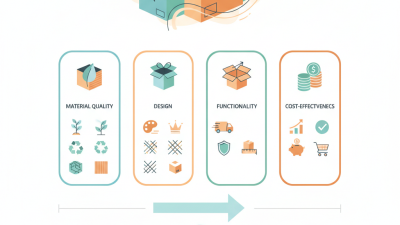
Effective packaging design plays a critical role in fostering brand loyalty, as it serves as the first point of interaction between consumers and a product. To create a lasting impression, packaging should resonate with the target audience through visually appealing graphics and user-friendly designs. Utilizing colors, fonts, and imagery that align with the brand's identity can not only attract attention but also evoke emotions, reinforcing the connection between the consumer and the brand. Furthermore, thoughtful packaging design can enhance the unboxing experience, making it memorable and more likely to prompt repeat purchases.
Another key element in effective packaging is functionality, which directly impacts customer satisfaction. Packaging should be easy to open, resealable if applicable, and protect the product during transit. Incorporating sustainable materials can also resonate with eco-conscious consumers, adding an additional layer of loyalty as they feel they are making a responsible choice. Transparency in labeling and informative illustrations can enhance trust, allowing customers to understand the product better, and fostering a sense of reliability that keeps them coming back for more. By harmonizing aesthetics with functionality, brands can create a packaging strategy that not only appeals visually but also reinforces loyalty through thoughtful consumer experiences.
Innovative Packaging Solutions That Capture Customer Attention
Innovative packaging solutions are crucial in today's competitive market, as they serve not only to protect products but also to create memorable unboxing experiences for customers. Engaging packaging can draw attention and influence purchasing decisions, helping to enhance brand loyalty. For instance, consider incorporating unique shapes or designs that resonate with your target audience's preferences.
Eye-catching colors or materials can significantly impact how customers perceive a brand, making the unboxing experience feel special and worthwhile.
Tips: One effective strategy is to use eco-friendly materials that not only appeal to consumers' desire for sustainable options but also align with a growing trend towards environmental consciousness. Additionally, consider personalizing packaging elements, such as including handwritten notes or customized designs that reflect individual customer interactions with your brand.
This personal touch can create a deeper emotional connection, encouraging repeat purchases.
Moreover, integrating technology into your packaging can further captivate customers. QR codes or augmented reality features allow for interactive experiences that can educate consumers about the product or brand values. This innovative approach not only intrigues customers but also fosters engagement, making them more likely to share their experiences on social media and recommend your brand to others.
Sustainability in Packaging: Building Trust and Loyalty with Consumers
Sustainability in packaging has become a crucial factor in shaping consumer trust and loyalty. As more consumers become environmentally conscious, brands that prioritize sustainable packaging solutions can significantly enhance their appeal. By using materials that are biodegradable, recyclable, or made from renewable resources, companies send a powerful message about their commitment to protecting the planet. This not only resonates with eco-minded consumers but also aligns the brand with broader social values, fostering a deeper emotional connection.
Additionally, transparency in the sourcing and production of packaging materials is vital for building trust. Brands that openly communicate their sustainability efforts establish credibility among consumers who are increasingly seeking accountability. Simple actions like providing information about the lifecycle of packaging materials and the steps taken to minimize environmental impact create a narrative that consumers can relate to. When consumers feel that a brand shares their values and actively participates in sustainability initiatives, they are more likely to remain loyal, repurchase products, and advocate for the brand within their social circles.
Leveraging Personalization in Packaging to Enhance Customer Engagement
Personalization in packaging is becoming a pivotal strategy for brands looking to enhance customer engagement and loyalty. According to a report by McKinsey, businesses that prioritize personalized customer experiences can see their revenue increase by 10% to 30%. Packaging that speaks to consumers on an individual level not only captures their attention but also fosters a deeper emotional connection. By utilizing consumer data to create tailored packaging designs, brands can resonate more effectively with their audience, driving repeat purchases and developing a loyal customer base.
Tips for implementing personalized packaging include leveraging customer insights to create designs that reflect the preferences and needs of specific segments. Incorporating elements such as names, customized messages, and even choice of colors can significantly enhance the unboxing experience. Additionally, data from PwC indicates that 79% of consumers are willing to share personal information for a more tailored experience. Brands can encourage this by offering incentives for customers to provide feedback on packaging preferences, ensuring that future designs resonate even more strongly.
Another effective strategy is to use storytelling in packaging. When brands share their story or values through their packaging, consumers are more likely to feel invested in the brand. A study by Dotcom Distribution found that 40% of customers are more likely to share a product online if it has unique or branded packaging. Engaging customers in this way not only promotes brand loyalty but also encourages organic word-of-mouth marketing, amplifying the reach of personalized marketing efforts.
Top Customer Experience Packaging Strategies
This chart illustrates the effectiveness of various packaging strategies in enhancing customer engagement, highlighting how personalization, sustainability, innovative design, interactivity, and brand storytelling contribute to overall brand loyalty.







 English
 Polski
  Čeština