Why Is Crating Packaging Essential for Global Shipping Success?
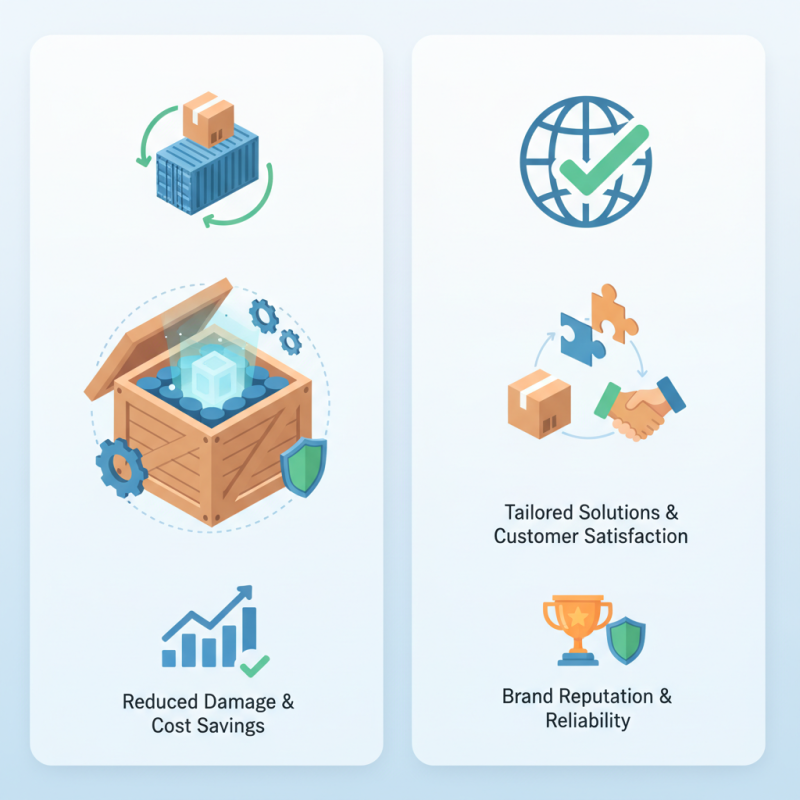
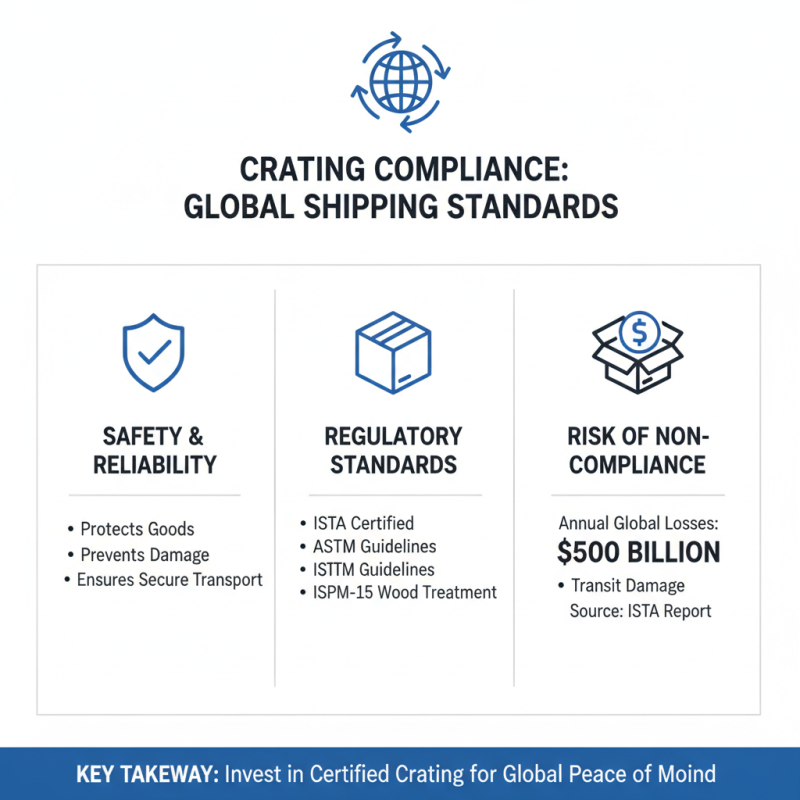
In the world of global shipping, crating packaging holds a vital role. Proper crating packaging ensures that goods arrive safely and intact. It is not merely about aesthetics; it is about protection and compliance. The right packaging minimizes the risk of damage during transit, which can lead to significant financial losses.
However, not all crating packaging solutions are created equal. Some may fall short, leading to disappointment. Understanding the nuances of crating packaging requires expertise and attention to detail. Each shipment presents unique challenges, from size to fragility, and it is essential to tailor solutions accordingly.
Investing in high-quality crating packaging shows commitment to quality and customer satisfaction. It reflects a company's dedication to protecting its products and reputation. While some may overlook this aspect, it is crucial for maintaining reliability in an increasingly competitive market.
The Role of Crating Packaging in Protecting Goods During Transit
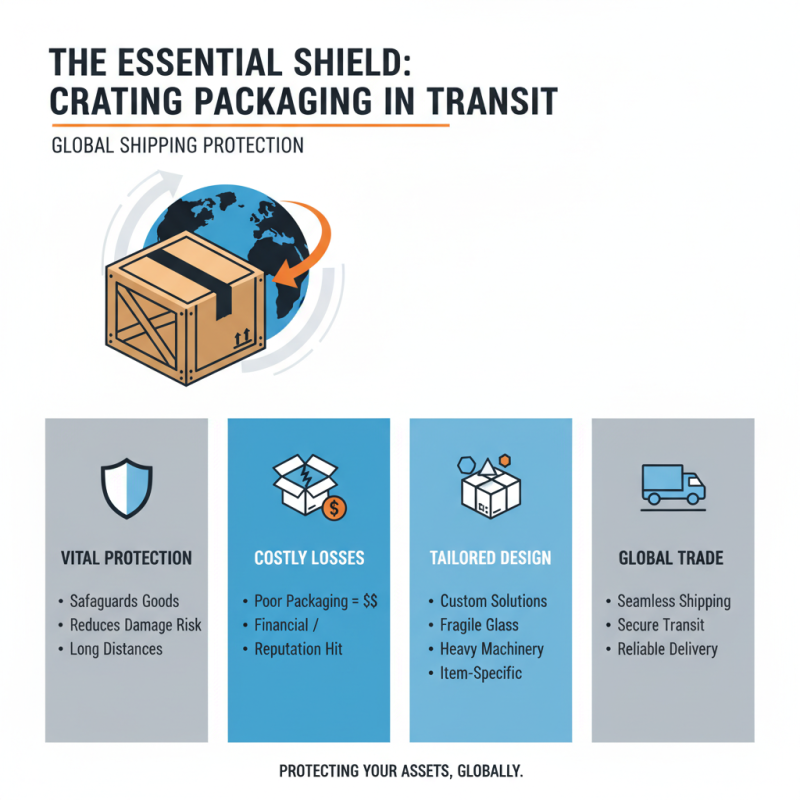
Crating packaging plays a vital role in the global shipping process. It acts as a protective shell, safeguarding goods during transit. The risk of damage is high when items are moved across long distances. Poor packaging can lead to costly losses. Each crating design must cater to the specific item it holds, whether it’s fragile glass or heavy machinery.
Materials used in crating packaging must be sturdy yet lightweight. Wood, metal, and plastic are common choices. They help absorb shocks and prevent movement inside the crate. Different climates and conditions can affect the integrity of packaging, making it crucial to consider environmental factors. A forgotten detail in design can result in a disaster, reflecting the importance of thorough planning.
Even experienced shippers encounter challenges with crating. Improper sealing can expose products to moisture. Weak joints may lead to collapses. These issues highlight the need for ongoing education and innovation in packaging techniques. Drawing from past experiences can enhance future practices. Recognizing potential flaws can make a significant difference in protecting goods during their journey.
Types of Crating Packaging and Their Specific Applications
When considering global shipping, crating packaging plays a crucial role. Different types of crating packaging cater to various shipping needs.
Wooden crates often serve to protect delicate items like electronics. These crates provide solid support during transport. They can absorb shocks and prevent damage from external factors.
Metal crates are ideal for heavy machinery. They offer added strength and durability. However, they can be quite costly. In contrast, cardboard crates are lightweight and easy to handle. They are great for less fragile products. Yet, they don’t offer the same level of protection as wooden or metal options. This may lead to potential damages during shipping.
Tips: Always assess the nature of the items being shipped. Choose a packing method that matches the specific needs. Consider the shipping environment. Extreme temperatures or humidity can affect packaging integrity. Opt for protective materials that suit your journey, even if it costs slightly more. This could save money in the long run by preventing damages.
Best Practices for Designing Effective Crating Packaging
Effective crating packaging is crucial for the success of global shipping. Properly designed crates protect products during transit, minimizing the risk of damage. The right materials and designs ensure that items arrive safely at their destination. This attention to detail can significantly reduce costs associated with returns and replacements.
One tip for creating effective packaging is to choose durable materials. Select wood, metal, or high-quality plastic to withstand various climates and handling methods. Always consider the shipping route and potential hazards. Using shock-absorbing materials inside the crate can further enhance protection.
Another important aspect is the design. Ensure that the crate size fits the product snugly. Avoid excessive space, as it can lead to movement and potential damage. Labeling the crates clearly with handling instructions is also vital. This helps prevent mishandling during loading and unloading.
Lastly, it's essential to test your packaging methods. Use sample shipments to assess effectiveness. Learn from any mistakes that occur. Reflect on what works and what doesn’t. Establishing a reliable feedback loop can lead to continuous improvement in your packaging processes.
Why Is Crating Packaging Essential for Global Shipping Success? - Best Practices for Designing Effective Crating Packaging
| Dimension |
Importance |
Best Practices |
| Material Quality |
Ensures durability and protection during transit |
Use high-quality wood or reinforced materials |
| Design Fit |
Minimizes movement and potential damage |
Create custom crating sizes based on product dimensions |
| Weight Distribution |
Ensures stability during transport |
Balance weight evenly within the crate |
| Labeling |
Facilitates proper handling and tracking |
Use clear, durable labels on all sides |
| Weather Resistance |
Protects contents from environmental damage |
Incorporate waterproof materials or coverings |
The Impact of Crating Packaging on Shipping Costs and Efficiency
Crating packaging plays a crucial role in global shipping. It directly influences shipping costs and overall efficiency. A well-designed crate protects goods from damage during transportation. This reduces the risk of losses, which can be costly for businesses. Efficient packaging also optimizes space in shipping containers, ensuring that more products fit in a single shipment. Each inch of space counts in logistics.
However, not all crating solutions are perfect. Some may not adequately address the specific needs of certain products. Businesses should evaluate their unique requirements before deciding on a packaging method. This ensures that the crating not only reduces costs but also enhances product safety.
Timely evaluation and adaptation in crating strategies improves overall efficiency. An improper choice can lead to increased return rates and unhappy customers. By focusing on the right materials and designs, companies can create a win-win situation for both their expenses and customer satisfaction. Exploring options and gathering feedback is essential for progress in packing solutions.
Impact of Crating Packaging on Shipping Costs and Efficiency






 English
 Polski
  Čeština