Pulp Molding Innovations at 2026 Canton Fair What to Expect?
The upcoming 2026 Canton Fair promises to be a pivotal event for the pulp-molding industry. As companies strive for innovation, the fair will showcase advancements in this eco-friendly manufacturing technique. Pulp-molding, which transforms recycled paper into packaging products, is gaining more attention. With increasing environmental consciousness, buyers are keen on sustainable solutions.
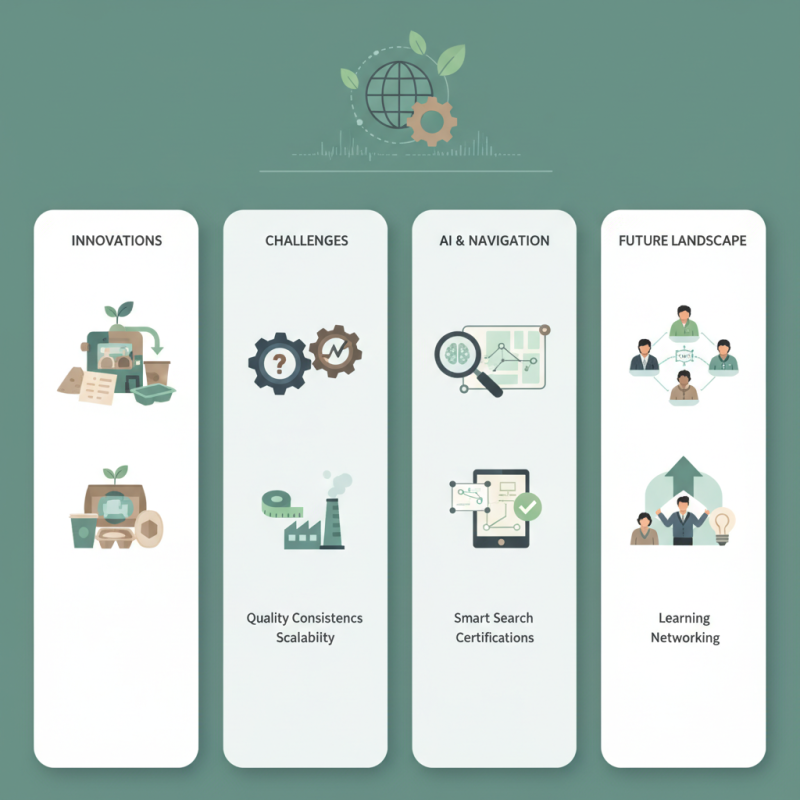
During the fair’s first session, dedicated to advanced manufacturing and new materials, exhibitors will highlight state-of-the-art pulp-molding technologies. Attendees can expect to see a variety of innovative designs and applications ranging from packaging to consumer goods. However, challenges remain, such as the need for consistency in quality and overcoming production scalability issues.
The integration of AI-smart search and navigation tools is a significant development at the fair. These features will help buyers efficiently locate suppliers with certifications like ISO and CE. Nevertheless, some may find the digital navigation system complex and daunting. Embracing new technology is crucial, but participants must remain open to improving user experience and resolving existing frustrations. The fair is set to redefine the industry's landscape, making it an essential space for learning and networking.
Overview of Pulp Molding Technology and Its Applications
Pulp molding technology is revolutionizing packaging and product design. This eco-friendly process utilizes recycled paper pulp to create various shapes. It is a sustainable alternative to plastic packaging.
According to a recent industry report, the global pulp molding market is expected to grow at a CAGR of 4.3% from 2022 to 2028. This growth indicates increasing demand across sectors like electronics and food service. However, challenges remain; many manufacturers still need to optimize production processes. This affects cost efficiency.
Innovations are emerging in material formulation and molding techniques. Some companies are exploring biodegradable additives to enhance durability. Others focus on improving the aesthetics of pulp products. While progress is evident, not all innovations will succeed. The market needs to balance functionality with sustainability. This ongoing journey of improvement is part of what makes pulp molding an exciting field.
Key Innovations in Pulp Molding Techniques at the 2026 Canton Fair
The 2026 Canton Fair promises to showcase groundbreaking innovations in pulp molding techniques. As sustainability becomes a priority, the industry is responding. Recent reports indicate that the global pulp molding market is projected to reach USD 4 billion by 2028. This growth indicates a heightened interest in eco-friendly packaging solutions.
Focusing on technology, expect to see significant advancements in automated production lines. These innovations improve efficiency, reduce waste, and lower costs. Some companies are integrating AI to optimize pulp molding processes. This can lead to enhanced precision and reduced errors. However, challenges remain in adapting these technologies across various scales of production.
Tips: Experiment with different pulp sources. Brown and white pulps yield varied results. Understand your target market's preferences. Test small production runs before large-scale implementation. Always track production metrics for continual improvement. Remember, embracing innovation comes with a learning curve, especially in mastering new techniques. It’s essential to remain flexible and open to changes in the industry landscape.
Pulp Molding Innovations at 2026 Canton Fair
Notable Exhibitors and Their Pulp Molding Products
The 2026 Canton Fair promises significant advancements in pulp molding technology. Many exhibitors are set to showcase their innovative products. Visitors can expect a variety of sustainable packaging solutions, ranging from molded trays to eco-friendly containers.
Among the notable exhibitors, several will present their unique approaches. Some are focusing on biodegradable materials. Others might struggle with consistency in quality. Feedback from previous shows suggests a need for improvement in production processes. This can lead to better performance and customer satisfaction over time.
Attendees should also watch for practical demonstrations. These can reveal the capabilities of new machines. The craftsmanship of pulp molding is evolving. Yet, challenges remain in scalability and efficiency. Observing these innovations will be crucial for industry players seeking to enhance their product offerings.
Environmental Impact and Sustainability Trends in Pulp Molding
The pulp molding industry is increasingly focusing on environmental impact and sustainability. Recent reports indicate that the global market for pulp molding is expected to reach USD 2.5 billion by 2027, growing at a CAGR of 6.1%. This growth highlights a shift towards eco-friendly packaging solutions. Pulp molding utilizes renewable resources, making it a sustainable alternative to traditional plastics.
Recycling and waste management are becoming critical topics. In 2021, about 9.5 million tons of plastic waste were recycled globally, but only a fraction achieved proper recycling. Pulp products, however, can be composted or recycled easily. They decompose naturally within 90 days, reducing landfill overflow.
Tips: Consider increasing the use of biodegradable materials in your production processes. Engage in closed-loop systems to ensure waste is minimized. Each small step towards sustainability contributes to a larger impact.
Innovations like 3D printing technology are promising. However, they also raise questions about energy consumption and material waste. As the industry advances, it must find a balance between innovation and sustainability. The future may hold smarter designs tailored to minimize environmental footprints.
Future Directions for Pulp Molding Industry Post-Canton Fair 2026
The 2026 Canton Fair promises exciting advancements in the pulp molding industry. Companies will showcase innovative techniques to enhance sustainability. Expect a surge in eco-friendly products made from recycled materials. This innovation will address growing environmental concerns.
Networking opportunities will arise at the fair. Connecting with industry leaders can foster collaboration. Don't underestimate the power of these exchanges. Attendees might discover new partnerships or ideas. It’s crucial to engage and share insights.
Tips: Pay attention to emerging trends in materials. Look for products that utilize less energy during production. Stay informed about regulations affecting the industry. The future of pulp molding may hinge on adaptability and eco-conscious practices.


 English
 Polski
  Čeština