Top Brand Packaging Trends You Should Know in 2026?
In the fast-evolving world of brand packaging, staying ahead of trends is crucial. By 2026, packaging will play a pivotal role in consumer choices. According to a recent study by Smithers Pira, the global packaging market is expected to reach $1 trillion. This growth highlights the importance of innovative packaging solutions. "Brand packaging is no longer just a vessel; it’s a powerful communication tool," says industry expert Laura Santos.
As brands adapt to changing consumer expectations, sustainability remains a top priority. The demand for eco-friendly materials is on the rise, with a projected 45% of consumers willing to pay more for sustainable packaging. However, balancing aesthetics and practicality remains a challenge for many companies. Some brands struggle with implementing sustainable solutions while maintaining their visual identity.
Technological advancements also reshape the landscape. Smart packaging, incorporating sensors and interactive elements, is gaining traction. This trend could enhance customer experiences but raises questions about usability and cost. Brands must reflect on how to integrate these technologies effectively without overwhelming consumers. The future of brand packaging is full of possibilities, but it requires thoughtful execution.
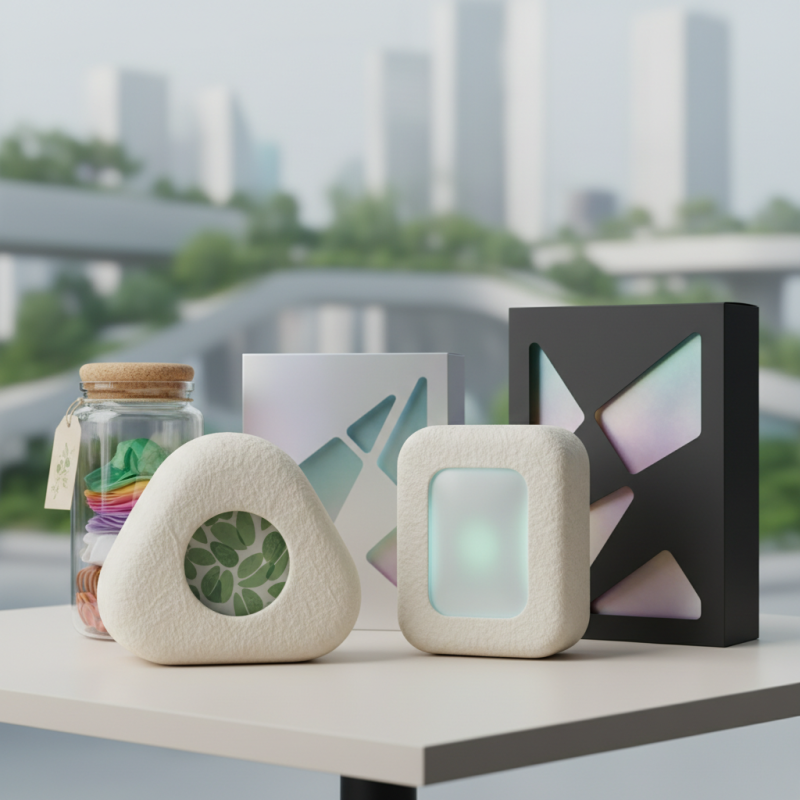
Emerging Eco-Friendly Materials in Brand Packaging for 2026
The shift towards eco-friendly materials in brand packaging is more prominent than ever. As of 2023, nearly 70% of consumers prefer sustainable options. This trend is expected to strengthen significantly by 2026, with a projected increase in the use of biodegradable plastics and recycled materials.
New innovations are emerging in eco-friendly packaging. Companies are experimenting with mushroom-based materials and seaweed extracts. These alternatives show promise for reducing waste and offer a lower carbon footprint. The current market for biodegradable packaging is anticipated to reach over $500 million by 2026, reflecting growing consumer awareness and demand for sustainable practices.
Challenges still exist. Sourcing sustainable materials can be costly and complicated. Some options lack the durability that brands require. Additionally, customer education remains vital. Many consumers do not fully understand eco-labels or the benefits of choosing sustainable products. This gap invites reflection on how brands communicate their sustainability efforts effectively. There is a need for clearer messaging and authentic engagement to truly drive change in consumer behaviors.
The Rise of Smart Packaging Innovations and Technologies
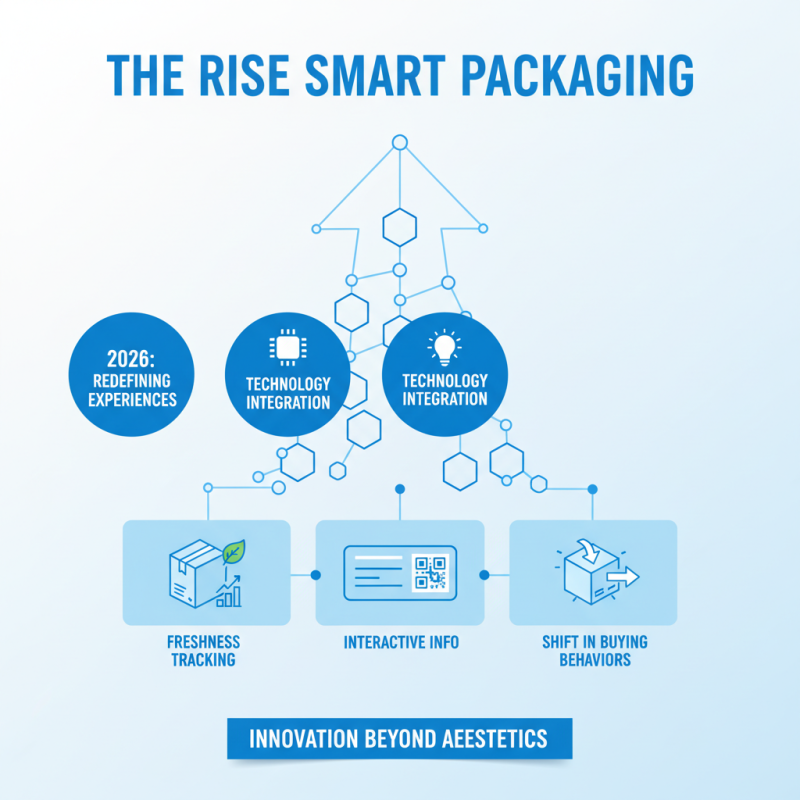
The landscape of packaging is evolving rapidly. In 2026, smart packaging is set to redefine consumer experiences. This innovation goes beyond aesthetics. It integrates technology directly into packaging materials. Imagine a box that can track freshness, or labels that illuminate to notify consumers about product information. These advances will likely trigger a shift in purchasing behaviors.
Smart packaging technologies often face challenges. Data privacy concerns arise with connected devices. Many consumers might hesitate to embrace such innovations due to mistrust. Additionally, the costs involved in implementing smart packaging can be overwhelming for smaller businesses. There is a thin line between utility and complexity that brands must navigate carefully.
Yet, the allure of enhanced functionality cannot be ignored. Smart packaging could lead to improved recycling efforts and sustainability initiatives. For instance, packaging that communicates its material composition can help consumers recycle more effectively. This shift has compelling implications for eco-friendly practices. The balance between innovation and accessibility remains crucial as the industry moves forward.
Consumer Preferences Shaping Sustainable Packaging Designs
In 2026, sustainable packaging will be at the forefront of consumer preferences. Shoppers increasingly favor eco-friendly materials. They want to see recycled content in their products. Bold, minimalistic designs also attract attention. Bright colors and eye-catching graphics can make products stand out but may distract from the sustainability message. It's a balance that many brands still struggle to achieve.
Many consumers are now asking questions about packaging waste. They seek clarity on how to recycle or compost materials. This demand pushes brands to improve transparency. Clear labeling helps consumers make informed choices. Yet, some packaging still confuses buyers. This inconsistency can frustrate eco-conscious consumers who want to do the right thing. Brands need to address these concerns head-on, simplifying their designs while enhancing sustainability.
Furthermore, the push for zero waste continues to shape packaging trends. Consumers feel empowered when they can return packaging for reuse. However, implementing such systems can be challenging. Brands may find it difficult to create effective return programs. These obstacles require innovative thinking and collaboration. Addressing these issues will be crucial as the packaging landscape evolves.
Impact of Aesthetic Trends on Brand Identity in Packaging
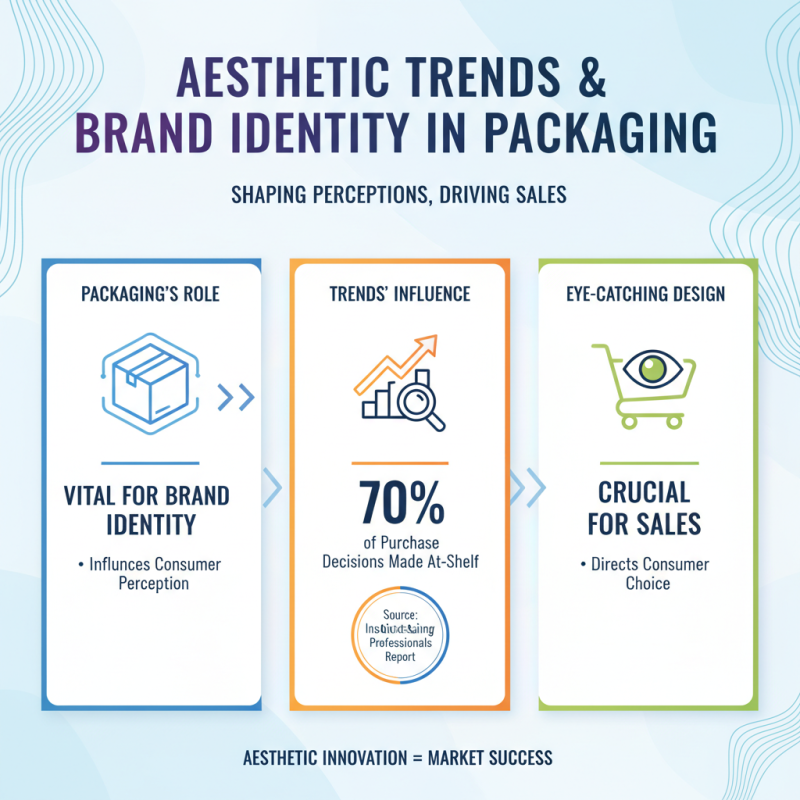
Packaging plays a vital role in shaping brand identity. Aesthetic trends significantly influence consumer perceptions. According to a report by the Institute of Packaging Professionals, 70% of purchase decisions are made at the shelf. This underlines the importance of an eye-catching design.
In 2026, minimalism and sustainable materials are expected to dominate. A study by Smithers Pira highlights that 50% of consumers prefer eco-friendly packaging. However, brands often struggle with balancing aesthetics and functionality. For instance, customers may admire sleek designs but prefer practicality when it comes to use. This conflict impacts their overall experience and satisfaction.
Moreover, color psychology is an essential tool for brand identity. Research shows that color can increase brand recognition by 80%. Yet, many brands oversaturate their designs, losing focus. In this vibrant market, striking the right balance between appeal and message becomes crucial. Brands must reflect on their approach to ensure the potential impact is fully realized.
The Role of Personalization in Enhancing Customer Experience
Personalization has become essential in packaging design. Consumers now expect brands to understand their preferences. Customization can range from unique labels to tailored packaging shapes. Simple changes can create a strong connection. Imagine unboxing a product that feels made just for you. This experience enhances overall satisfaction. It can turn a regular purchase into something memorable.
However, not all personalization efforts hit the mark. Some brands overdo it and miss the essence of simplicity. Too much information on packaging can confuse consumers. A clean, thoughtful design often speaks louder than a cluttered one. Balancing creativity with functionality is a constant challenge. Mistakes in personalization can also lead to mismatched expectations. Reflecting on customer feedback is key to improving these strategies.
As we look toward 2026, brands will have to adapt quickly. Understanding what customers want will take effort and insight. Collecting data will help, but interpreting it is more complex. There must be a balance between technology and human touch. Personalization should feel authentic, not forced. This moving target requires ongoing reflection and adjustment. Only then can brands truly enhance customer experiences.
Top Brand Packaging Trends in 2026






 English
 Polski
  Čeština